

What is the best way to label food packaging boxes for storage?
Oct 28, 2026
Leave a message
If you’ve ever spent hours rummaging through a storage closet, freezer, or back-of-house shelf looking for a specific batch of freshly baked pastries or a bulk order of takeaway pizza slices, you know the chaos that comes with poorly labeled food packaging boxes. As a supplier of food packaging boxes, I’ve worked with hundreds of bakeries, pizzerias, and local restaurants that underestimate the impact of clear, intentional labeling—not just on tidiness, but on food safety, waste reduction, and operational efficiency. Over the years, I’ve learned that the best way to label food packaging for storage isn’t just about slapping a name on a box; it’s a system tailored to how your team works, the types of packaging you use, and the perishability of the goods you’re shipping or storing.
First, let’s talk about why generic labeling fails. Too often, businesses just write “cake boxes” on a stack, which means nothing three months later when you’re cleaning out a seasonal pop-up’s storage. Or they use a vague date like “10/24” without noting if that’s the packaging manufacture date or the expiration of the food it’s holding. I’ve seen customers order bulk Biodegradable Cake Boxes for a holiday rush, only to find half the stack expired because they couldn’t tell when they were unboxed and stored. That’s not just wasted packaging—it’s a hit to the bottom line, especially for small businesses with tight margins. Good labeling solves that by tying every box to specific, actionable details.
The foundation of any effective labeling system is standardization. Consistency across every type of packaging makes it easy for every team member—from the line cook restocking freezers to the inventory manager counting stock—to parse information at a glance. Start with the core data points that matter most for storage: contents, date, and use case. For contents, be specific enough to avoid confusion, but not so wordy that the label gets cluttered. Instead of “baked goods,” write “10-inch round cake boxes (white, 100-count)” or “individual pepperoni pizza slice boxes.” This is especially important if you work with multiple SKUs, like a café that uses Paper Pastry Boxes for croissants, muffins, and mini tarts—mixing up which box is for which item can lead to damaged product during shipping or, worse, incorrect orders for customers.
Next, date labeling can’t be an afterthought. There’s a big difference between the packaging’s shelf life and the food it will eventually hold, so you need to clarify both. For food packaging boxes that are pre-made and stored before use, mark the date you received them and their expiration from the supplier. For example, a stack of Eco Takeaway Boxes might have a shelf life of 12 months from manufacture, so labeling “Received 09/20/24, Exp 09/25” means you’ll use the oldest boxes first to avoid expired packaging. If you’re using the boxes to store already-packed food, add a “use by” date tied to food safety guidelines—like “cake, use by 10/05” —not just the packaging’s date. I always tell my clients to use clear, bold formats for dates, like MM/DD/YYYY, so there’s no ambiguity, especially if team members are working night shifts when natural light is low.
Beyond core details, context-specific labels are what make the system work for your unique storage needs. For businesses that store packaging in climate-controlled freezers vs. dry back rooms, add a location tag. For example, a set of Individual Pizza Slice Boxes stored in the walk-in freezer could be labeled “Freezer A, Shelf 2” to cut down on search time. For businesses that use eco-friendly packaging, a quick note about the box’s compostability is a small but useful detail—especially if you have seasonal storage where different teams might be managing packing at different times. For example, Biodegradable Boxes for Food have specific storage requirements (they break down in high humidity, so they need to be stored in dry areas), so a label note like “Store in dry areas, not above 75°F” prevents premature degradation of the packaging before it’s used.
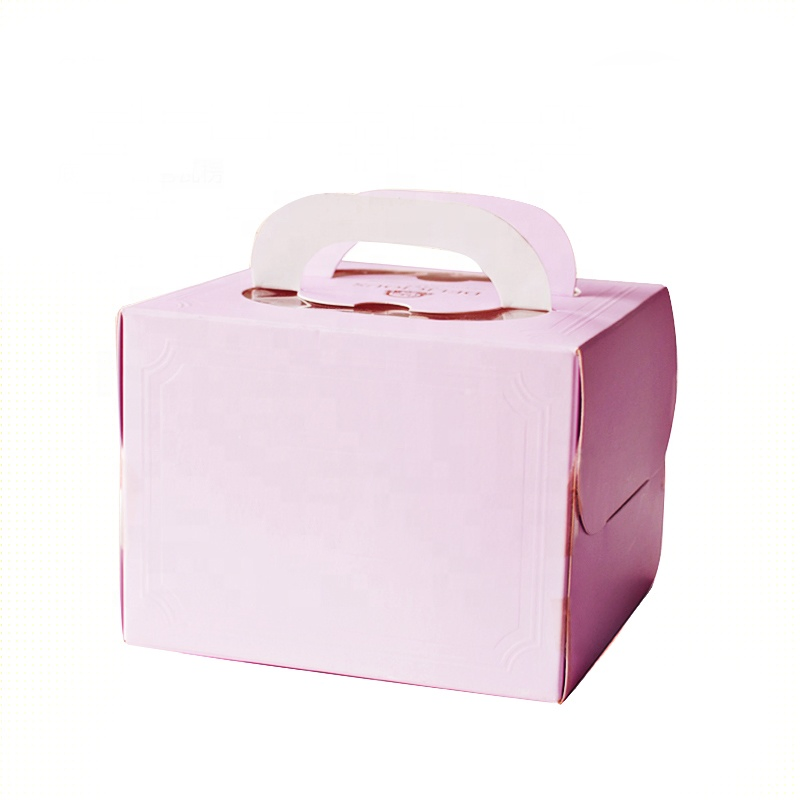
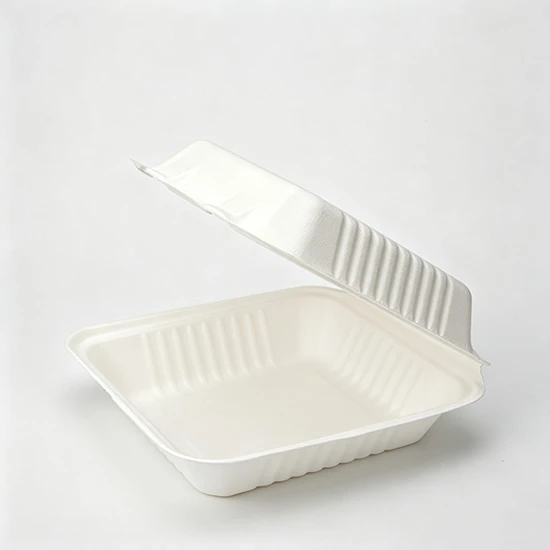
One of the most common mistakes I see is using packaging that’s not suited for labeling itself. A flimsy, slick paper box might not hold a printed sticker or marker pen, leading to smudged or faded labels, especially if they’re stored in high-moisture areas. That’s why I recommend choosing packaging that works with your labeling method from the start. For example, my clients that use our Eco Takeaway Boxes—made from sturdy, coated paper—find that waterproof labels or permanent markers stick well, even if the boxes are stored near dishwashing stations or in coolers. For bulk stacks of cake or pastry boxes that are sealed and stacked high, I recommend using durable, tear-resistant labels, not regular office stickers, to make sure the label stays intact through stacking and transport.
Another key element is the order of information on the label. When a box is stacked high or stored on a shelf, you want to be able to read the label without digging into the stack. That means putting the most critical details at the top, in large, bold font. For most businesses, that order works best: 1) Box type/SKU, 2) Date, 3) Storage location, 4) Special notes (like “compostable” or “expiring soon”). For example, a label for 50-count Paper Pastry Boxes would be: “SKU: PP-003 | Date: 09/20/24 | Back Room Shelf 4 | Expires 09/25.” This way, even if boxes are stacked 10 high, the top label tells you everything you need to know at a glance. For frozen food packaging, I also recommend adding a small, colored dot code on the top of the box for quick visual sorting—red for expiring within 30 days, yellow for 30-90 days, green for over 90 days. It’s a small trick, but it cuts down on inventory checks so much that many of my pizzeria clients now use it for their Individual Pizza Slice Boxes.
I’ve also learned that labeling is a team effort. No system works if only one person knows how to use it. When I set up accounts for new clients, I walk their inventory and kitchen teams through how to apply labels, what information to include, and why it matters. For a small bakery, that might mean a 15-minute training session on labeling when they take delivery of their Biodegradable Cake Boxes and Paper Pastry Boxes. For a larger chain, it might mean a quick guide posted near the storage room door. The key is to make it simple—don’t add so many steps that team members get frustrated and skip labeling altogether. Even adding a printed label template near the storage area can help new hires stay consistent until they get the hang of it.
Waste reduction is another big benefit of good labeling. A 2023 study from the National Restaurant Association found that food packaging waste makes up 10% of a typical restaurant’s waste, and much of that comes from expired, unused packaging that was mislabeled. When boxes are clearly dated, businesses can use the “first in, first out” (FIFO) method effectively—using the oldest boxes first before they expire. That’s especially important for biodegradable packaging, which has a shorter shelf life than traditional plastic or coated cardboard. For example, Biodegradable Boxes for Food can start to break down after about 12 months if stored improperly, but clear dating helps you avoid keeping them past their usable window. I’ve had clients tell me that after implementing a consistent labeling system, they’ve cut their packaging waste by up to 20% in six months—savings that go straight to their bottom line.
Of course, there are exceptions to every system. If you’re a mobile vendor that transports packaging between multiple locations, you might need to add a shipping label with delivery dates or destination. If you’re a bakery that custom prints some of their boxes with branding, a small handwritten label next to the printed branding can still give you the storage details you need. The best labeling system isn’t one-size-fits-all—it’s one that adapts to how you run your business. For example, a coffee shop that uses takeaway boxes for pastries might only need to label contents and date, while a caterer that stores bulk packaging for events will need location and quantity labels too.
At the end of the day, labeling food packaging boxes for storage is about being intentional with something that’s often seen as a minor detail. It turns a disorganized storage space into an efficient part of your operations, keeps your packaging usable, reduces waste, and keeps your team on the same page. If you’re looking to update your packaging and labeling system, I can help you choose the right boxes for your needs—whether you’re ordering biodegradable cake boxes for your bakery, paper pastry boxes for your café, or individual pizza slice boxes for your pizzeria. To discuss your food packaging requirements and find the best solutions for your storage and operational needs, feel free to reach out for a procurement consultation.
References
National Restaurant Association. (2023). Packaging Waste Reduction in Food Service Operations. National Restaurant Association Press.
Food and Drug Administration. (2022). Food Packaging Storage Guidelines for Retail and Food Service. FDA Center for Food Safety and Applied Nutrition.
Sustainable Packaging Coalition. (2021). Storage Best Practices for Compostable and Biodegradable Food Packaging. Sustainable Packaging Council Report.
Send Inquiry