

Are there different types of biodegradable plastic bags?
Nov 04, 2026
Leave a message
If you’ve ever walked down the grocery aisle and stared at a shelf of “eco-friendly” plastic bags, you’ve probably asked the same question I did when I first got into the biodegradable plastics business: Are there actually different types of biodegradable plastic bags, or is this just another greenwashed marketing ploy? Before I started my company, I thought all biodegradable bags were created equal—turns out, nothing could be further from the truth. Over the past 8 years, I’ve spent countless hours testing materials, troubleshooting supply chain kinks, and working with small businesses and big box stores to pick the right bags for their needs. Let’s break down the real, science-backed types, because when it comes to compostable packaging, the difference between a bag that breaks down in a backyard bin and one that lingers in a landfill for years matters more than you think.
First, let’s get one critical definition straight: not all “biodegradable” bags are compostable, and that’s where most consumers (and even some brands) get confused. Biodegradation is the process by which microorganisms like bacteria, fungi, and algae break down a material into natural elements like water, carbon dioxide, and biomass. But it can take decades, even centuries, for some materials to do this—and that’s a problem. For a bag to be truly responsible, it needs to break down quickly and leave no toxic residue, which is why the term “compostable” is often a better benchmark. But even within those two umbrellas, there are distinct categories of bags, each designed for specific uses, with their own performance rules.
The first type I want to talk about is biodegradable film bags. If you’ve ever grabbed a produce bag at the farmers’ market or a small bag for bulk grains, you’ve likely used these. What sets film bags apart is their base material: most are made from a blend of plant-based polymers (like corn starch or sugarcane) and conventional plastic, designed to biodegrade when exposed to oxygen, moisture, and specific microorganisms. The key here is that they’re engineered to break down faster than regular plastic—but only under the right conditions. That means they don’t do well in dry, cold landfills, where microorganisms are dormant; they actually need industrial composting facilities (which operate at 130–170°F) to decompose in 180 days or less, per ASTM D6400 standards. I’ve had clients tell me they used these bags for a community garden only to find them still intact six months later, and that’s not a failure of the product—it’s a failure of not matching the bag to its end-of-life. If you’re looking for flexible, lightweight film bags, our Biodegradable Film Bags line is formulated to meet those ASTM standards, so you can trust they’ll perform when they’re supposed to.
Next up, biodegradable food packaging bags. These are the ones you see lining trash cans for food scraps, or holding bakery items, produce, or pre-prepped meals. The biggest difference here is that they have to be safe for direct contact with food—no harmful chemicals leaching into leftovers, which is non-negotiable for grocery stores, restaurants, and meal kit services. Most of these bags are made from 100% renewable plant materials, not blends, because they need to meet FDA and EU food contact regulations. That also means their compostability specs are stricter: they can’t leave any heavy metals or toxic byproducts behind when they break down, and they have to decompose just as fast as the film bags, if not faster. I worked with a local bakery last year that switched from conventional plastic bags to these for their sourdough loaves; not only did their customers appreciate the eco-friendly upgrade, but they passed moisture testing, so the bread stayed fresh longer than it did in the old plastic. If you’re in the food industry and need bags that balance safety, performance, and sustainability, our Biodegradable Food Packaging Bags are tested specifically for food contact, so you don’t have to worry about compliance.
For e-commerce brands, biodegradable mailer bags are a game-changer—if you’re tired of seeing your customers toss plastic shipping materials after one use, these are the answer. Unlike the bulky poly mailers most online stores use, biodegradable mailers are lightweight, tear-resistant, and made to biodegrade in both industrial composting facilities and, in some cases, backyard bins. The magic here is in the coating: we use a plant-based barrier that keeps water out and protects small items during shipping, but it’s not the synthetic layer you’d find on regular mailers. A big sustainable clothing brand I partnered with a couple of years ago switched all their outbound shipping to these mailers; they told me their return rate for packaging-related complaints dropped by 40% because customers actually composted the bags instead of throwing them in the trash. The only thing to note: they’re not as strong as heavy-duty poly mailers, so they’re best for light to medium items like apparel, books, or small accessories. If you’re an e-commerce brand looking to cut down on plastic waste, our Biodegradable Mailer Bags are built to hold up during transit while being easy to dispose of responsibly.
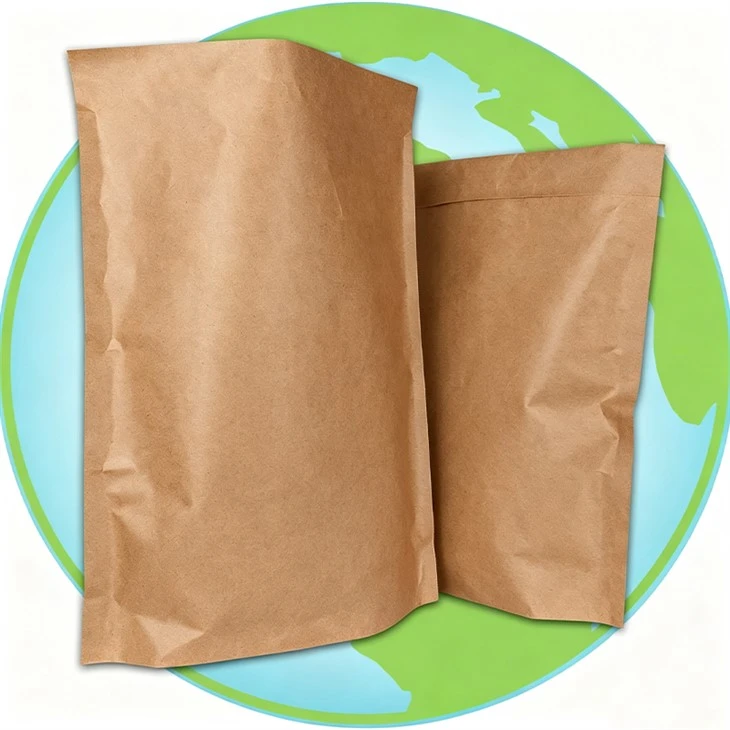
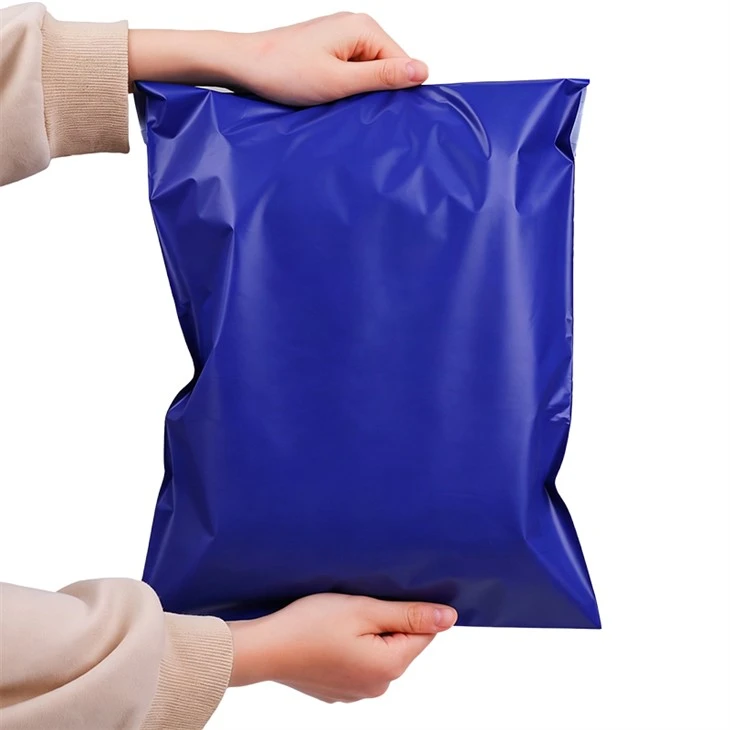
Another category that often gets overlooked is biodegradable postage bags. These are similar to mailer bags, but they’re designed specifically for use with postal services—they have secure adhesive strips that work with standard postage labels, and they’re durable enough to survive being dropped, sorted, and shipped through the mail. The big difference here is that they have to meet postal service strength and security standards, which means their biodegradable materials are engineered to resist tearing during the mailing process, but will break down quickly once they’re no longer needed. A lot of small business owners think all biodegradable bags can work as postage bags, but that’s not true—if a bag tears during shipping, you’re not only wasting money, you’re contributing to plastic waste. Our Biodegradable Postage Bags are tested to meet USPS and international postal standards, so you can trust your packages will arrive intact, and when they’re done, they’ll decompose without leaving a trace.
Then there’s compostable T-shirt bags, the ones you see at checkout counters in most grocery stores. These are the most recognizable type of biodegradable bag, often the first thing people think of when they hear “eco-friendly plastic bag.” They’re made from a mix of plant-based polymers and biodegradable plastic additives, and they’re designed to hold multiple groceries, just like conventional T-shirt bags. The key here is that they’re thick enough for repeated use—unlike some thin film bags that tear if you put too much in them. A lot of customers ask me if these can be recycled, and the answer is no, they’re designed for composting. But that’s a feature, not a bug: when they break down in a compost bin, they become nutrient-rich soil instead of microplastics. I’ve worked with small grocery chains that switched from single-use plastic checkout bags to these, and they saw a 35% reduction in plastic bag waste from checkout lines alone, because customers were more likely to reuse them. If you’re looking for a durable, cost-effective alternative to traditional checkout bags, our Compostable T Shirt Bags hold up to regular use and meet all major composting standards.
Now, I want to be honest with you—there’s a lot of greenwashing in this space. Not every bag labeled “biodegradable” is actually responsible. Some bags only biodegrade in specific, high-heat industrial compost facilities that most communities don’t have. Others break down into microplastics, which are even harder to get rid of than whole plastic bags. That’s why I always tell my clients to ask three questions before buying: 1) What standard is it certified to? (Look for ASTM D6400, BPI, or EN 13432 certifications—those are non-negotiable.), 2) Where will this bag be composted when it’s done? (If you don’t have access to an industrial compost facility, pick a bag that works in backyard bins.), and 3) Is it safe for its intended use? (A food bag can’t have harmful chemicals, a mailer can’t tear during shipping.).
Over the years, I’ve learned that the best biodegradable bags aren’t just about being “eco-friendly”—they’re about being practical. A bag that breaks down in a lab but tears when you’re carrying a load of groceries is useless, and a bag that’s safe for produce but leaches chemicals when it’s mixed with food scraps isn’t responsible. That’s why I’ve spent so much time testing different materials and working with our manufacturing partners to refine our product lines—we want to give our clients bags that perform, so they don’t have to choose between sustainability and functionality.
If you’re a business owner looking to switch to biodegradable bags, or you’re just curious about what type works for your needs, I’m here to help. Whether you’re a small bakery in need of food-safe packaging, an e-commerce brand needing shipping solutions, or a grocery store looking for checkout bags, we can walk you through all the options. Don’t settle for greenwashed products or guesswork—let’s find the right biodegradable bags that work for your business and the planet.
References:
ASTM International. (2022). Standard Specification for Compostable Plastics (D6400). ASTM International.
Biodegradable Products Institute. (2023). BPI Compostable Certification Requirements. BPI.
European Committee for Standardization. (2021). Compostable Plastics – Requirements for Compostability (EN 13432). CEN.
U.S. Food and Drug Administration. (2022). Food Contact Substances: Polymers. FDA.
Send Inquiry