

How many paper produce bags do I need for a week of groceries?
Nov 06, 2026
Leave a message
If you’re anything like me—someone who’s spent the last year switching to zero-waste swaps, fighting off plastic bag guilt, and now working at a Paper Produce Bags supplier—you’ve probably asked yourself this exact question a hundred times. How many of these things do I actually need to get through a week of groceries? No more overbuying (and hoarding crumpled bags that take up half my pantry) or underbuying and ending up with a stack of items juggled in my arms like a chaos gremlin. Let’s break this down realistically, no fancy eco-bro jargon, just actual weekly grocery math that works for real people.
First, let’s set the scene: I live in a 1-bed apartment, cook 5-6 nights a week (only order takeout once max), shop at a standard neighborhood grocery store—think pre-packaged produce like apples, avocados, bags of spinach, plus random bulk bins for nuts or rice. I asked my regular customers too, because they’re the ones buying these bags for their own weekly runs, and their answers lined up pretty closely. The biggest mistake I see people make is assuming it’s just produce, but grocery runs have way more than that.
Let’s start with produce, since that’s what paper produce bags are made for. A standard weekly produce haul isn’t just loose fruit and veggies. For my meal prep, I grab: 2 apples, 1 bunch of bananas, a head of broccoli, a bag of spinach (pre-washed, but still goes in a bag to catch sogginess), 3 bell peppers, 1 onion, 1 pound of carrots, and maybe a small bag of mushrooms. Wait, but what about loose stuff from bulk bins? If I get ½ a pound of almonds or 1 cup of dried cranberries, those need their own bag too—no one wants mixed nuts at the bottom of their cart. So that’s 10 paper produce bags right there, just for produce. But hold on, that’s not all.
What about the other stuff in your cart? Let’s say you pick up a carton of yogurt, a loaf of bread, a pack of chicken, and a bottle of salad dressing. None of those are produce, but they still need to go in bags so they don’t leak or get squished. If you get anything greasy—like a pack of bacon or a block of cheese that’s a bit oily—regular paper bags might not hold up, which is why our Grease Resistant Paper Bags are perfect here. I usually throw 3 of those in the mix for non-produce, non-carried items.
Wait, here’s another thing: I used to cram everything into one big bag and then wonder why it tore on the way home. If you’re walking or biking to the store, or even just carrying your cart to your car, overloading bags is a disaster. That’s where our Large Paper Carrier Bags come in—they have sturdier handles, so you can pile up heavier items. I keep 2 of those handy for when I have bigger stuff, like a gallon of milk or a big bag of dog food (if you’ve got a pup, add an extra 1 for their food/treats). If you have kids, you might toss in a Euro Tote Gift Bags type? No, wait, those are more for gifts, but maybe a fun printed one for snacks if you’re picking up something special. Oh, and if you like adding a little personality to your haul, our Small Printed Paper Bags are great for small treats or cookies you grab from the bakery. I usually skip those for weekly basics, but I’ll throw 1 in if I’m getting a pack of cookies.
Now let’s do the math for a real weekly grocery run, not the Instagram-perfect one. Let’s list every bag I actually use, no extra:
10 paper produce bags (for loose fruit, veggies, bulk items, pre-washed greens)
2 grease resistant paper bags (for chicken, bacon, oily cheese)
1 large paper carrier bag (for milk, bread, any heavier items)
1 small printed paper bag (for a bakery snack, if I grab it)
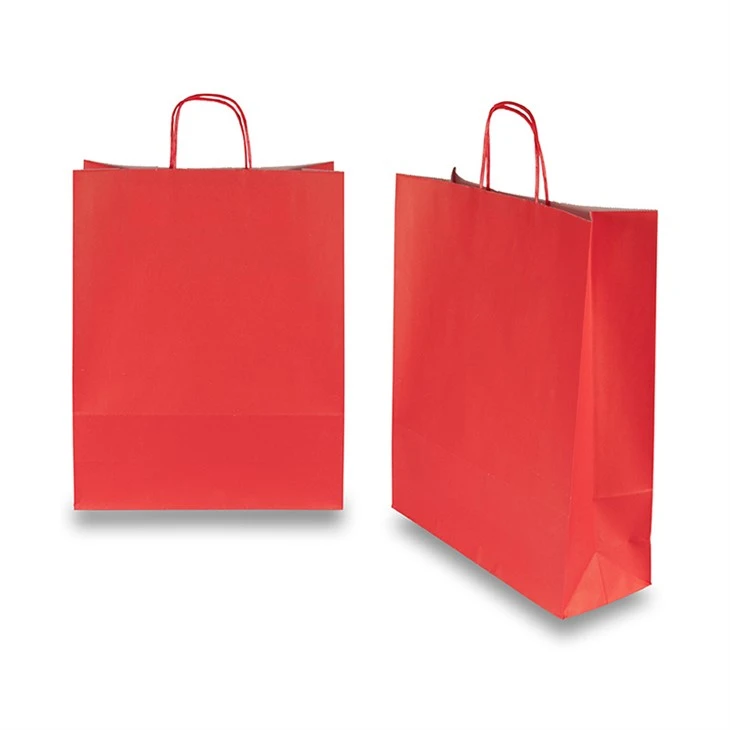
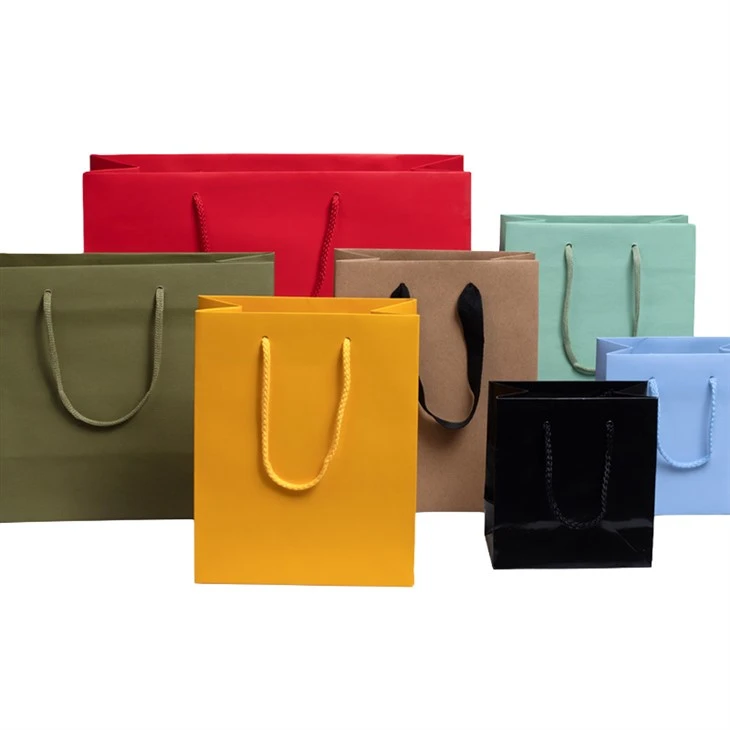
That adds up to 14 bags. Wait, but hold on—what if you have a big family? Like 4 people, eating more produce, maybe more bulk items, and a cart full of kid snacks? Then you’d probably bump it up to 20. What if you shop at a store where produce is mostly pre-packed in plastic (which I’m trying to avoid, but some still do)? You might only need 5 loose produce bags, so that cuts it down to 9. What if you’re doing a big stock-up run once a month? No, wait, the question is for a week, so weekly run.
Wait, but here’s a pro tip from our team: you don’t have to use a new bag every single time, right? If you go in with a few that you can rinse and reuse, that cuts down the number you need. But if you’re counting how many to buy for a week when you don’t have reusable ones with you (or if you run out mid-week), that 10-15 range is solid for a single person or couple. For a family of 3-4, it’s 15-20.
I talked to Sarah, a regular customer who works at the local co-op, and she said she buys 18 paper produce bags a week for her family of 4. “We get a lot of bulk grains and snacks, plus my kid loves loose grapes, and I don’t want them squished,” she told me. “The grease resistant ones are a game-changer for the ground beef we get every week—no more leaking through the bag into my cart.” That lines up with what I’ve been saying. Another customer, Jake, who’s single and walks to the corner store, only buys 10. “I get small hauls, like 2 apples, a bunch of bananas, a carton of eggs, and a loaf of bread,” he said. “I reuse a couple bags, so I don’t need as many.”
Also, don’t forget about unexpected stuff. What if you pick up a bouquet of flowers for your roommate, or a bottle of wine that needs a little extra protection? A large carrier bag works, but if you need something smaller, a small printed bag is perfect. I keep a few extra of those on hand just in case, even if I don’t plan for them.
A common mistake people make is buying too few, then having to hold 5 things at once, which leads to dropped items and messy shopping trips. Or buying too many, and they sit in your pantry for months, getting crumpled and forgotten. The sweet spot is figuring out your own personal flow, but the 10-20 range is where 90% of people fall.
At the end of the day, the number isn’t set in stone. It depends on how big your family is, how much produce you buy, if you shop bulk, and if you grab any extra treats. But if you’re starting from zero and trying to figure out how many to pick up for your next weekly grocery run, aim for 10-15 as a baseline, and adjust up if you have a larger haul.
If you’re looking for high-quality, durable paper bags that hold up to messy produce and greasy items, we’ve got all the options you need. Our Paper Produce Bags are lightweight but strong, perfect for all your loose fruit and veggies. The Grease Resistant Paper Bags are lined to prevent leaks, so no more soggy bags. For heavier items, our Large Paper Carrier Bags have reinforced handles that won’t tear mid-walk. And if you want to add a little fun to your haul, check out our Small Printed Paper Bags or Euro Tote Gift Bags for special items.
Whether you’re stocking up for weekly runs or just need a few extra bags for your next shop, we can help you find the right quantity and type. Get in touch with our team today to discuss your needs and place an order that works for your household.
References
- Environmental Protection Agency. (2022). Plastic Bag Reduction and Reuse Trends in U.S. Grocery Stores. Retrieved from EPA.gov
- National Zero Waste Council. (2021). Guide to Reusable Bags for Grocery Shopping. Retrieved from ZeroWasteCanada.ca
- Grocery Manufacturers Association. (2020). 2020 Consumer Shopping Habits: Packaging and Bag Usage. Retrieved from GMAonline.org
Send Inquiry