
Can clear self adhesive labels be used for mason jars?
Oct 26, 2026
Leave a message
If you’ve ever sealed a batch of homemade jam, pickles, or candles in a classic mason jar, you’ve probably stared at the blank glass surface and wondered if it’s worth the hassle of decorating it. But if you’re running a small home business, or just someone who loves giving personalized, handcrafted gifts, the question of clear self adhesive labels for mason jars is one that comes up again and again—especially when you want something that looks polished, not cheap or clunky. As a supplier of custom self adhesive labels, I get dozens of messages a week from both hobbyists and business owners asking the same thing: can clear self adhesive labels actually work on the curved, smooth, often uneven surface of a mason jar? The short answer is yes—but only if you pick the right label type, apply it correctly, and account for the unique quirks of glass and that iconic jar shape. Let’s break this down, from the science of adhesion to real-world use cases, and why clear labels might be the perfect choice for your mason jars.
First, let’s talk about what makes mason jars a tricky surface for any label. Unlike flat paper or plastic containers, mason jars have two main characteristics that test even the strongest adhesives: their curved shape and their glass finish. Glass is a low-surface-energy material, which means it doesn’t bond easily with most sticky substances unless the adhesive is designed to penetrate or grip smooth, non-porous surfaces. Curves add another layer of complication: if you try to apply a flat label to a rounded jar, air bubbles get trapped under the edges, and the label will often peel away over time, especially if the jar is stored in a humid place, like a pantry near the stove, or in a refrigerator. Clear self adhesive labels solve both of these problems if you choose the right formulation—more on that in a minute.
A lot of people assume clear labels are just for aesthetics, but they actually offer practical benefits on mason jars that colored or paper labels can’t match. For one thing, clear labels don’t obscure the beautiful glass of the jar itself. If you sell homemade jam with a vibrant ruby red color, a clear label lets your product’s natural beauty take center stage, rather than covering it up with a solid background. For pickles, which have that bright, briny green hue, or infused oils that glow golden through glass, a clear label keeps the focus on what’s inside the jar, which is a huge selling point for small food businesses. Clear labels also stand up to washing—something critical for mason jars that are reused, like for meal prep or bulk storage. If you’re using reusable jars, a clear label that peels off cleanly without leaving residue is way easier to refresh than a paper label that falls apart when it gets wet.
But not all clear self adhesive labels are created equal, and this is where I see most people go wrong. A generic clear label from a big-box store might work for a flat notebook or a plastic water bottle, but it will fail on a mason jar, especially if your product sees any moisture. Let’s talk about the adhesive technology here: mason jars are often stored in conditions with high humidity (like kitchen pantries), and they might even be refrigerated or frozen. That’s where waterproof self adhesive labels come in. The adhesive on these labels is a pressure-sensitive acrylic formula, specifically engineered to bond to non-porous surfaces like glass, and resist breaking down when exposed to water, steam, or cold temperatures. I’ve seen customers use non-waterproof clear labels for their homemade pickles, only to have the labels bubble and peel after a week in the fridge—avoidable, easy mistake to make.
Another key factor is the label’s face stock. Clear labels are made from either vinyl or polyester, and for mason jars, polyester is almost always the better choice. Polyester is thicker, more flexible, and less prone to creasing than vinyl, which means it conforms better to the curved shape of a mason jar when applied correctly. Thin vinyl labels, on the other hand, often stick too much to themselves during application, leading to wrinkles or misalignment on a round jar. That’s why many of our customers for mason jar labels choose round self adhesive labels specifically—because the label shape is tailored to fit the jar’s circumference, which minimizes the chance of air bubbles.
Speaking of application method, that’s just as important as the label itself, even if you buy the right clear self adhesive labels. I’ve had customers tell me they tried applying a clear label to a mason jar and it bubbled up halfway, only to have it peel off a week later. The problem wasn’t the label—it was their application process. The first step is always prepping the jar surface. Even if a jar looks clean, it often has a thin layer of dust, residue from dish soap, or fingerprints that prevent the adhesive from bonding properly. Before applying any label, wipe the glass with a 70% isopropyl alcohol pad, then let it dry completely for 30 seconds—no rushing this step. Next, work slowly when applying to a curved surface. Start at the top of the label, press it firmly to the glass, then smooth it down towards the bottom, using a credit card or a label squeegee to push out any air bubbles as you go. If you get a bubble, you can use a pin to puncture it and smooth the label back down, as long as you don’t do it right after applying. For large labels that wrap around the entire jar, apply the top half first, then work your way around, overlapping the edges slightly to avoid gaps.
Another common question I get is: do clear labels leave residue when removed? This is huge for people who sell reusable mason jars, or who want to update labels on gift jars after they’re given away. The good news is that when you use high-quality pressure sensitive stickers, the clear labels peel off cleanly from glass, no sticky mess left behind. That’s because the adhesive is formulated for easy removal after a certain period, usually 6 to 12 months, depending on the product. If you’re worried about label residue, just make sure you don’t store the jar in direct sunlight or extreme temperatures, which can make the adhesive break down and leave a mark. I recommend testing a small sample label on a spare mason jar before applying it to your products—this takes 5 minutes and saves you a lot of frustration later.
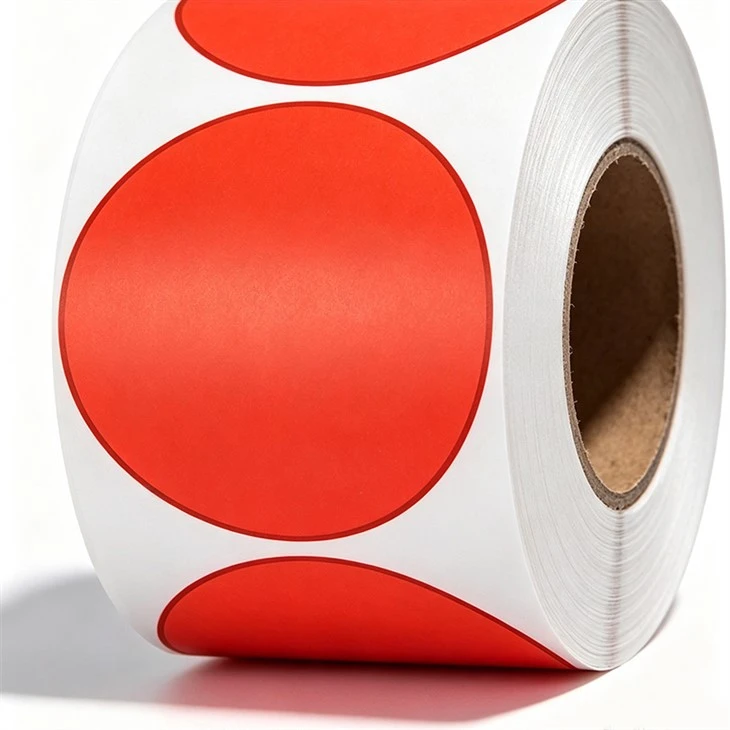
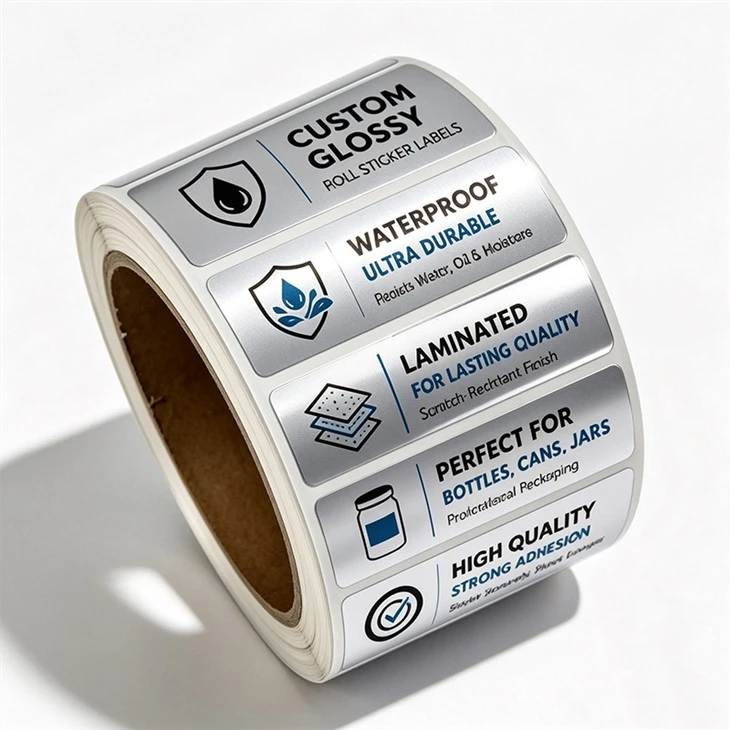
Now, let’s get into real-world use cases, because that’s where clear self adhesive labels for mason jars shine. For small batch food businesses, clear labels are perfect for jams, jellies, honey, and infused spirits. They let the product’s color and texture stand out, which is critical for customers scrolling through online storefronts or farmers market booths. A customer at a farmers market will pick a jar of raspberry jam over apricot jam not just because of the flavor, but because they can see the rich red fruit inside. A clear label that only displays the brand name, flavor, and date doesn’t distract from that. For candle makers, clear labels on mason jar candles make the wax color and the wick design visible, and they’re easy to customize with scent information and burning instructions. Even for home users who reuse mason jars for bulk storage of rice, pasta, or nuts, clear labels are a practical choice—you can write on them with a permanent marker, or use a waterproof label that works for years, and they don’t clutter up the look of your pantry.
A lot of people still prefer paper labels for mason jars because they’re cheaper, but paper has drawbacks that clear labels solve. Paper labels absorb moisture, so if a jar of jam sweats in the fridge, the label will get soggy, smudge, and fall off. Paper labels also discolor over time from sunlight, and they leave sticky residue that’s hard to remove if you want to re-label the jar. Clear labels, especially the waterproof ones, don’t have any of these issues. They’re also more durable—they don’t tear when you wash the jar, and they hold their clarity even after being frozen or heated. For example, if you’re canning tomatoes and the jars go through a boiling water bath process, a high-quality clear label won’t peel or smudge during that process, unlike paper.
I should also mention a common myth: some people think clear labels look “invisible” or unfinished, especially on plain mason jars. But that’s only if you pick a label that’s too thin or low quality. A thick polyester clear label has a slight glossy finish that reflects light, adding a polished, professional look to even the most basic mason jar. You can also add subtle design elements, like a thin colored border or a small brand logo, to make the label stand out without losing its clear, sleek look. Many of our customers use clear labels with a faint white backing when printing, which makes the text pop without covering the glass—this is a great middle ground between clear and colored labels.
So, how do you choose the right clear self adhesive labels for your mason jars? First, make sure they’re made for non-porous surfaces like glass. You can find these labeled as waterproof self adhesive labels, which are specifically formulated to resist moisture and stick to smooth surfaces. Avoid generic label rolls from office supply stores—they’re usually designed for paper or plastic, not glass. Next, pick the right size and shape. Round self adhesive labels are ideal for the front of standard mouth mason jars, while custom shaped labels (like square or oval) work well for wide mouth jars or for wrapping around the side of the jar. Finally, test the labels on a spare mason jar before applying them to your finished products. Apply one, let it sit for 24 hours, then run it under water to see if it peels, check for air bubbles, and try to peel it off after a week to make sure it doesn’t leave residue.
At the end of the day, clear self adhesive labels aren’t just a trend for mason jars—they’re a practical, versatile solution that works for everyone from home bakers to small business owners. They solve the unique challenges of glass and curved surfaces, look sleek and professional, and last longer than paper labels in high-moisture environments. If you’re ready to test clear labels for your mason jars, you can explore our full range of options at Clear Self Adhesive Labels, including waterproof formulas, pressure sensitive stickers, and custom shapes to fit every jar. For more tips on labeling containers for food, candles, and other products, check out our Sticky Business Labels guide, which covers everything from application best practices to label design tips. Whether you’re making a batch of holiday gift jars or running a small canning business, clear labels are worth the investment to make your products look polished and last.
If you’re a business owner looking to bulk order clear self adhesive labels for your mason jar products, or if you have questions about choosing the right label for your specific needs, reach out to our team to discuss custom solutions that fit your brand and application requirements.
References:
- Adhesive Technology for Non-Porous Surfaces, 2022, Label Industry Association of America
- Mason Jar Labeling Best Practices, 2023, Homemade Goods Small Business Guide
- Waterproof vs. Standard Adhesive Labels: Performance Testing, 2021, Packaging Research Journal
Send Inquiry