

Are biodegradable plastic bags suitable for grocery shopping?
Oct 22, 2026
Leave a message
Hey everyone, let’s cut to the chase—if you’ve ever stood at a grocery store checkout staring at a roll of flimsy, unclear plastic bags (and then felt guilty tossing them later), you’ve probably wondered: are biodegradable plastic bags actually worth it for grocery runs? As someone who’s been in the biodegradable plastic bags game for years—supplying these, testing them, and hearing all the questions from shoppers and store owners alike—I get it. There’s a lot of hype, and a lot of confusion. Let’s break this down, no jargon, just the real scoop.
First, let’s get one thing straight: not all “biodegradable” stuff is created equal. I used to sell bags that the label claimed were biodegradable, only to find out they barely broke down in a landfill (which is usually oxygen-poor, super compact, and full of other trash). That’s the biggest myth around these bags—most people think “biodegradable = breaks down anywhere, anytime,” but that’s not true. The ones we supply (check out our Compostable T Shirt Bags, for example) are made with plant-based materials like corn starch or sugarcane, which meet specific standards. For grocery stores, that matters because these bags aren’t just “plastic with a label”—they’re designed to break down under industrial composting conditions, which are controlled (high heat, moisture, microbes) to speed up decomposition.
Now, let’s talk grocery shopping specifically. What do you need from a grocery bag? It has to hold heavy items—think 5lb bags of rice, a dozen apples, a whole melon—without ripping. It has to be easy to carry, maybe hold your weekly haul (so not too flimsy). And ideally, it should work for both the store’s needs (cost-effective, durable enough to survive the checkout line) and yours (no guilt when you toss it, or if you reuse it). A few years back, a local grocery store here switched to a cheap, untested biodegradable bag that tore if you put more than 3 items in it—people hated it, went back to regular plastic, and the store wasted a ton of money. That’s the mistake a lot of places make: picking the cheapest “biodegradable” option without testing its durability. Our bags, on the other hand, are engineered to hold up—we’ve tested them with full grocery hauls, and they don’t split. That’s why stores trust them for daily use.
Another big question: do they actually help with plastic waste? Let’s be real—landfills are the biggest problem with plastic bags, because most of them never reach recycling facilities, and even recyclable plastic often doesn’t get processed. Traditional plastic bags take 20-1000 years to decompose, and even then, they break into microplastics that get into soil and water. Biodegradable bags, when disposed of correctly (i.e., in industrial compost, not a regular trash can that goes to a landfill), break down in 90-180 days, turning into carbon dioxide, water, and organic matter—no microplastics left. But here’s the catch: only if you dispose of them right. If someone tosses their biodegradable grocery bag in a regular landfill, it’s still not going to break down fast because landfills don’t have the conditions microbes need. That’s why education is key—we always tell store clients to post signs explaining how to dispose of these bags, and we’ve even worked with them to offer compost drop-off spots near the entrance.
Wait, but what about when you reuse them? A lot of people swear by reusable cloth bags, but cloth has its own issues— it needs to be washed regularly, which uses water and energy, and if you forget it at home, you’re stuck with a disposable option. Biodegradable bags are perfect for “backup” or when you don’t want to tote cloth bags. I use them all the time for quick runs to pick up milk or bread—way easier than hauling cloth, and I know if I toss it, it won’t be around in my grandkid’s backyard. Also, some people do reuse their biodegradable bags a few times before tossing them—we’ve had customers tell us they use them for trash bins at home, or for picking up dog waste, then compost them. That extra use makes their environmental footprint even smaller.
But hold on—there are valid criticisms, and I won’t sugarcoat them. Some studies say that making biodegradable bags uses more resources (like water for corn starch) than regular plastic bags. But here’s the thing: that comparison is flawed because it doesn’t account for end-of-life. Regular plastic bags’ full lifecycle includes the microplastics, the decades in landfills, the pollution they cause if they end up in oceans. A 2022 study from the Environmental Science & Technology journal actually found that when you include those end-of-life impacts, the total carbon footprint of tested biodegradable grocery bags was 40-50% lower than traditional plastic bags. The key word there is “tested”—the ones that meet composting standards, not the cheap knockoffs. That’s why we only supply bags that have third-party certifications, like BPI or OK Compost—you can’t just trust a label that says “eco-friendly.”
Let’s talk about costs, too, because grocery stores care about that. Right now, biodegradable bags are a bit more expensive upfront than regular plastic—usually 2-5 cents per bag, versus 1-2 cents for traditional ones. But wait—stores can charge a small fee for them (a lot of states allow this, and some have bans on single-use plastic), and customers are willing to pay it if they know it’s better for the planet. Also, when stores use durable biodegradable bags that don’t tear, they don’t have to restock as often, which saves money in the long run. Plus, a lot of consumers now choose stores that use eco-friendly bags, so it’s a marketing win too. We’ve had small local grocery stores tell us that switching to our biodegradable bags brought in more customers—people appreciate that small, consistent effort.
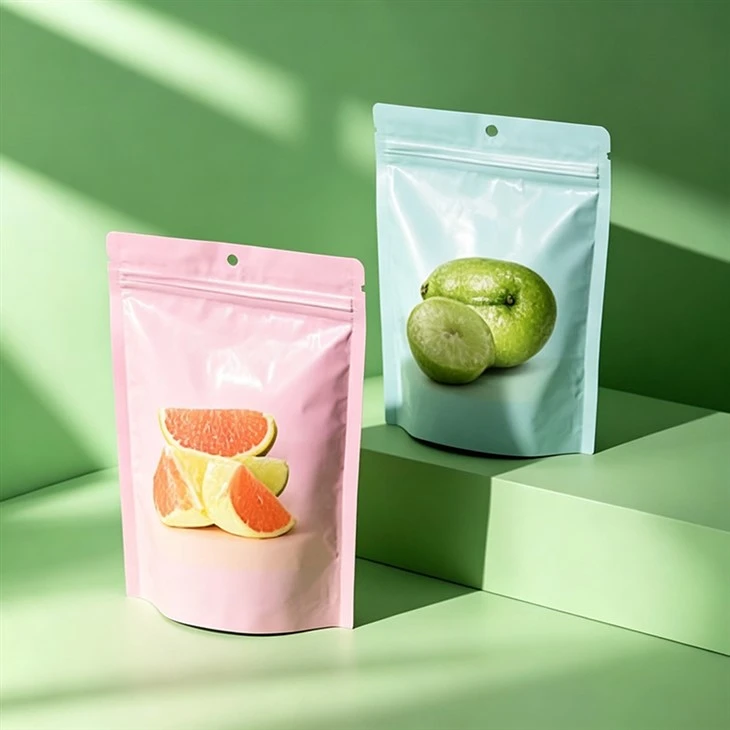
Now, let’s address a common mix-up: biodegradable vs. compostable. A lot of people use these terms interchangeably, but for grocery bags, compostable is what you want. Compostable bags are a type of biodegradable that breaks down into nutrient-rich compost (not just CO2 and water) under controlled conditions. Our Biodegradable Food Packaging Bags are compostable, which is perfect for grocery stores because they can even hold fresh produce, bread, or other food items without leaching chemicals. That’s a huge plus—you don’t have to worry about weird stuff getting into your groceries, which is a concern with some old “biodegradable” plastic bags that used harmful additives.
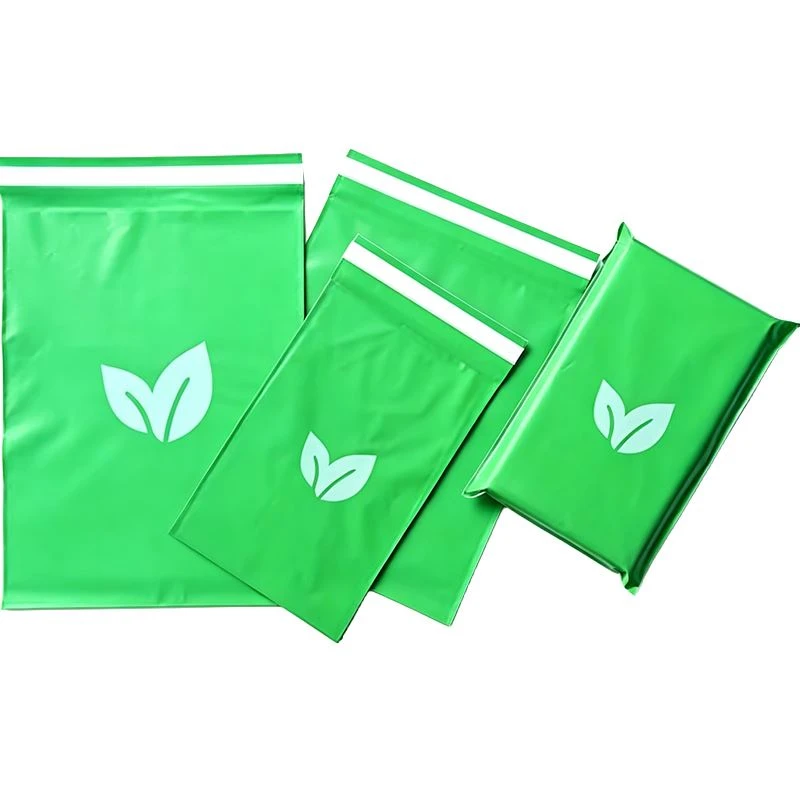
What about if a store uses them for bulk items or frozen food? Wait, you might be wondering—do biodegradable bags work for cold items? Absolutely. We make bags that are resistant to cold temperatures, so they’re fine for frozen veggies or ice cream. And for bulk bins, our Biodegradable Bags for Packaging hold up great—no leaks, no ripping, even with loose grains or nuts. We also supply Biodegradable Postage Bags and Biodegradable Mailer Bags for stores that also have online delivery, so they can have a consistent eco-friendly line across all their packaging. That’s something a lot of brands overlook—consumers want a full eco solution, not just one part.
But let’s get back to shoppers, because at the end of the day, grocery shopping is about what works for you and the planet. If you’re someone who remembers to bring cloth bags every time, great—use those. But if you’re like me and forget half the time, biodegradable bags are a solid backup. They’re not perfect, but nothing is when it comes to reducing plastic waste. The biggest mistake people make is writing them off entirely because of the cheap, untested options that flooded the market a few years ago. The good ones—like the ones we supply—are durable, certified, and actually make a difference.
Wait, I should mention something about ocean plastic too. A lot of those single-use plastic grocery bags that blow into rivers and oceans are a huge problem for marine life—turtles mistake them for jellyfish, birds get tangled in them. Biodegradable bags, especially the certified compostable ones, don’t persist in the environment if they do end up outside. They break down much faster in open air (though not as fast as in industrial compost, way faster than regular plastic) so they don’t cause the same harm to wildlife. Of course, we should all work to reduce plastic use overall, but switching to these bags is a tangible step that most people can take easily.
Now, let’s be real—there’s no silver bullet. The best solution is to use less plastic, period. But when you do need a disposable bag (which we all do sometimes), biodegradable ones are way better than regular plastic. For grocery stores, partnering with a reliable supplier matters—you need bags that hold up to daily use, meet food safety standards, and don’t break the bank. We’ve been working with grocery chains across the country for years, helping them transition to these bags, and the feedback has been mostly positive. The ones that do struggle are the ones that go for the cheapest option without testing.
If you’re a grocery store owner or manager reading this, and you’re thinking about switching to biodegradable bags, I’d encourage you to do a small test first. Grab a case of our bags, test them in your checkout line for a week, see how they hold up with different items, and ask your customers what they think. We offer samples for exactly this reason—no pressure, just let you see for yourself. And if you’re a shopper, next time you’re at the store, notice what bags they’re using. If they’re the flimsy ones that tear, mention that you’d prefer something more durable and eco-friendly. Your voice matters—stores respond to what their customers want.
At the end of the day, the question isn’t “are biodegradable plastic bags suitable for grocery shopping?” The real question is “are the right biodegradable bags suitable?” The answer is yes—if they’re certified, durable, and properly disposed of. They’re not a perfect solution, but they’re a step in the right direction, and they’re way better than the alternative. If you’re a business looking to switch to eco-friendly packaging, or a shopper who wants to learn more, reach out—we’d love to chat about what works for your needs.
References:
- Environmental Science & Technology. (2022). Lifecycle Comparison of Conventional and Compostable Single-Use Plastic Bags. American Chemical Society.
- U.S. Environmental Protection Agency. (2021). Composting: Basic Information. EPA.
- Ocean Conservancy. (2020). Global Microplastic Survey: Key Findings on Plastic Waste in Marine Environments. Ocean Conservancy.
- Biodegradable Products Institute (BPI). (2023). BPI Certification Standards for Compostable Plastics. BPI.
- Food and Agriculture Organization (FAO). (2022). Sustainable Packaging for Food Retail: Balancing Performance and Environmental Impact. FAO.
Send Inquiry