

What Are The Raw Materials For Plastic Packaging Bags?
Jul 20, 2026
Leave a message
The primary raw materials for plastic packaging bags are plastic resins, with specific materials selected based on the bag type. Polyethylene (PE) and polypropylene (PP) are the most common choices. PE is frequently used for shopping bags, food bags, and packaging for daily necessities due to its softness, water resistance, and good impact resistance. PP, offering superior strength and heat resistance, is often used for bags requiring greater rigidity and thermal stability.
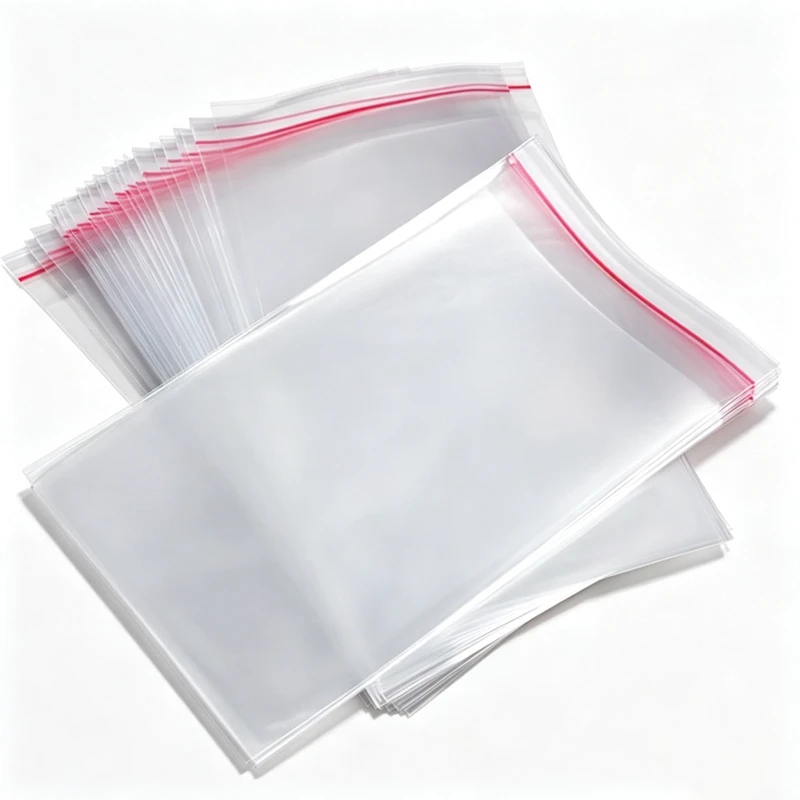
In addition to the base plastic resins, auxiliary materials and additives-such as color masterbatches, antioxidants, stabilizers, and lubricants-may be incorporated during production. These substances serve to enhance properties like color, processability, flexibility, and aging resistance. However, the specific additives used vary depending on the bag type, product application, and manufacturing requirements.
Biodegradable plastic packaging bags are also available on the market; these utilize different raw materials-such as PLA, PBAT, and starch-based materials-to mitigate the environmental impact associated with the slow degradation of conventional plastics. It is important to note, however, that the performance characteristics and degradation conditions of these bags vary according to the specific material used.
In summary, plastic packaging bags are primarily composed of polymer resins like PE and PP, supplemented by appropriate auxiliary materials based on intended use. Since the choice of raw material directly influences properties such as strength, flexibility, transparency, heat resistance, and water resistance, manufacturers must select materials that align with the specific characteristics of the product being packaged.
Send Inquiry