

Sealing Performance Of Plastic Packaging Bags
Jul 19, 2026
Leave a message
The sealing performance of plastic packaging bags primarily refers to their ability-once sealed-to prevent the ingress of air, moisture, dust, and other external contaminants, while simultaneously preventing the leakage of the contents. Sealing integrity is particularly critical for food, liquid, and powdered products. If a bag is not sealed securely, issues such as leakage, moisture absorption, or product contamination can easily arise during transport and storage. Consequently, selecting appropriate materials and sealing methods based on specific product characteristics is essential during the design and manufacturing stages.
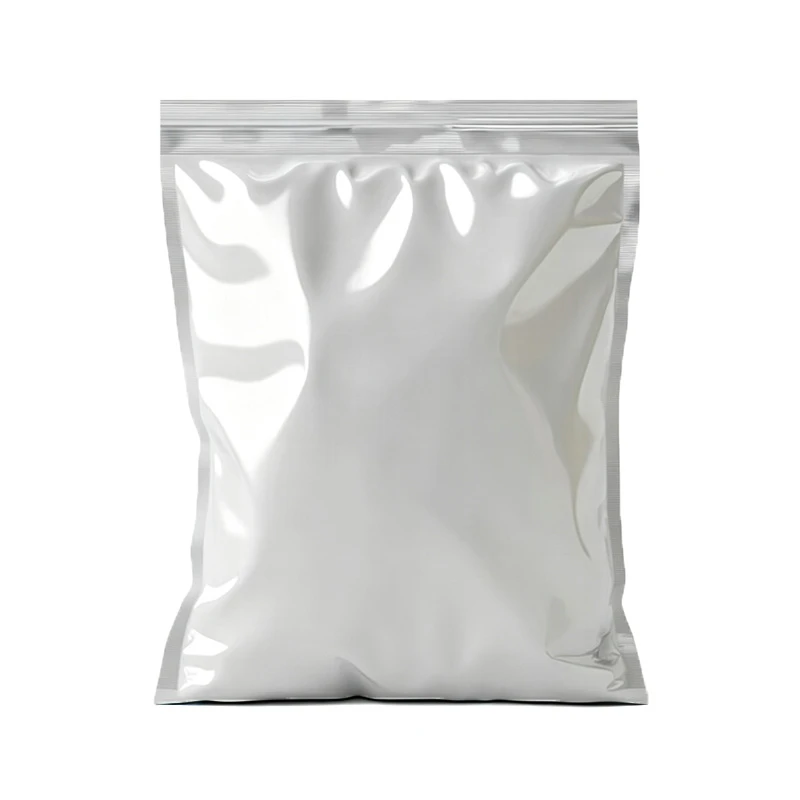
The sealing effectiveness of plastic bags is closely linked to the material itself. Different types of plastic films exhibit varying heat-sealing properties; for instance, materials like PE and PP can be bonded at the edges through heat sealing when subjected to the correct temperatures. Factors such as film thickness, material formulation, and surface treatment all influence the quality of the seal. Uneven film thickness or material unsuitability for heat sealing can result in insufficient seal strength; therefore, appropriate processing parameters must be selected based on the material's specific properties.
Heat-sealing temperature, pressure, and duration are also critical factors affecting sealing performance. If the temperature is too low, the material fails to fuse adequately, making the seal prone to cracking; conversely, excessive heat can deform or even damage the film. Pressure and sealing time must also be carefully controlled; a secure seal is achieved only when these three conditions are properly balanced. Additionally, the sealing area must remain flat and clean, free from oil, dust, or product residue, as contamination can compromise the seal's integrity.
During production, plastic bags can be evaluated using tests for sealing performance and seal strength. Inspections may involve checking for air leaks, liquid leakage, or cracks at the seal, as well as conducting tensile tests to determine the amount of external force the seal can withstand. For food and foodservice packaging, testing must also account for real-world conditions, such as compression and temperature fluctuations during transport. Superior sealing performance enhances the reliability of the packaging, thereby minimizing the risk of leakage or contamination during storage and transit.
Send Inquiry