

Density and thickness of plastic packaging bags
Aug 20, 2026
Leave a message
The density of plastic packaging bags is primarily determined by the raw plastic materials used; different materials exhibit varying densities. Common materials such as PE and PP have relatively low densities, resulting in lightweight packaging bags-a key factor contributing to their widespread use. Generally, density is defined as the mass of material per unit volume and reflects the intrinsic properties of the plastic material itself. When selecting packaging materials, one must comprehensively consider factors such as product strength, weight, and specific usage requirements.
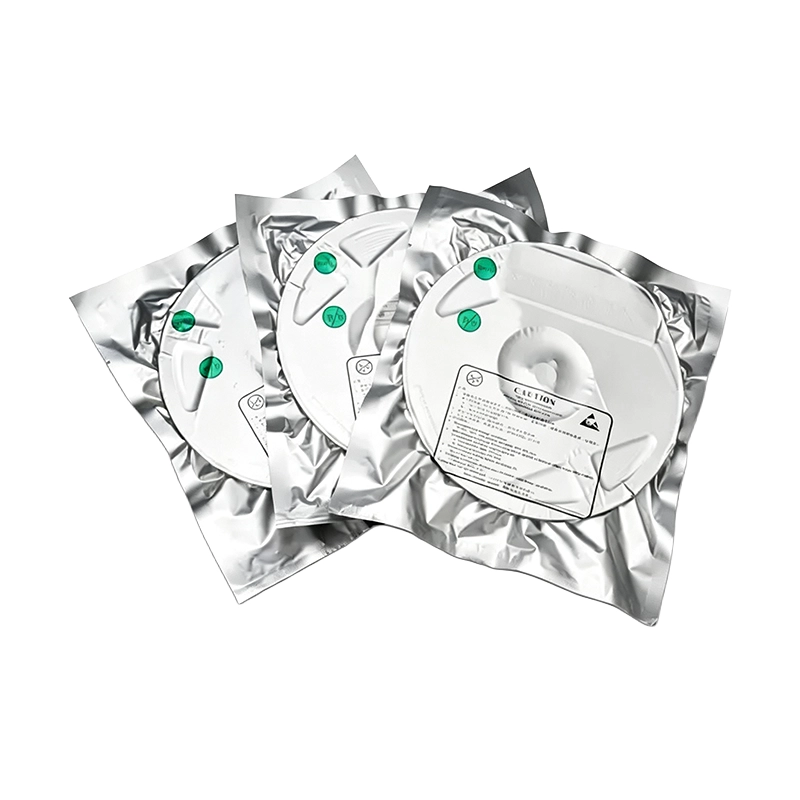
The thickness of plastic packaging bags is typically measured in micrometers (μm) or millimeters (mm). Thickness directly influences the material's strength, flexibility, and load-bearing capacity. Thicker bags generally offer superior tensile and tear resistance, making them suitable for heavier products, whereas thinner bags are lighter and require less material, making them ideal for lighter goods. However, greater thickness is not always preferable; the optimal thickness should be determined based on the intended application.
While density and thickness are both critical parameters for plastic packaging bags, they represent distinct characteristics. Density reflects the inherent properties of the plastic material, whereas thickness relates to the bag's actual structure and material usage. When using the same material, increasing the thickness typically increases the weight per unit area; conversely, bags made from materials of different densities may vary in weight even if the thickness remains constant. Therefore, both material density and film thickness must be considered during the packaging design process.
During production, the thickness of plastic packaging bags must be monitored to ensure uniformity across the bag and to avoid areas that are excessively thin or thick. Insufficient thickness can compromise bag strength, leading to potential rupture during use, while excessive thickness increases material consumption and production costs. Consequently, properly controlling density and thickness minimizes material waste while maintaining performance, striking an optimal balance between strength, weight, and cost.
Send Inquiry