

Choosing the Capacity of Plastic Packaging Bags
Aug 19, 2026
Leave a message
The capacity of plastic packaging bags is primarily determined by the size and quantity of the products being packaged. Different products have varying requirements for packaging space; for instance, food, clothing, and daily necessities differ significantly in terms of volume and weight. Therefore, when selecting a bag's capacity, one should first ascertain the product's actual dimensions and weight before determining the appropriate size. A capacity that is too small can easily lead to product compression or even packaging rupture, while an excessively large capacity increases material usage and hinders cost-efficiency.
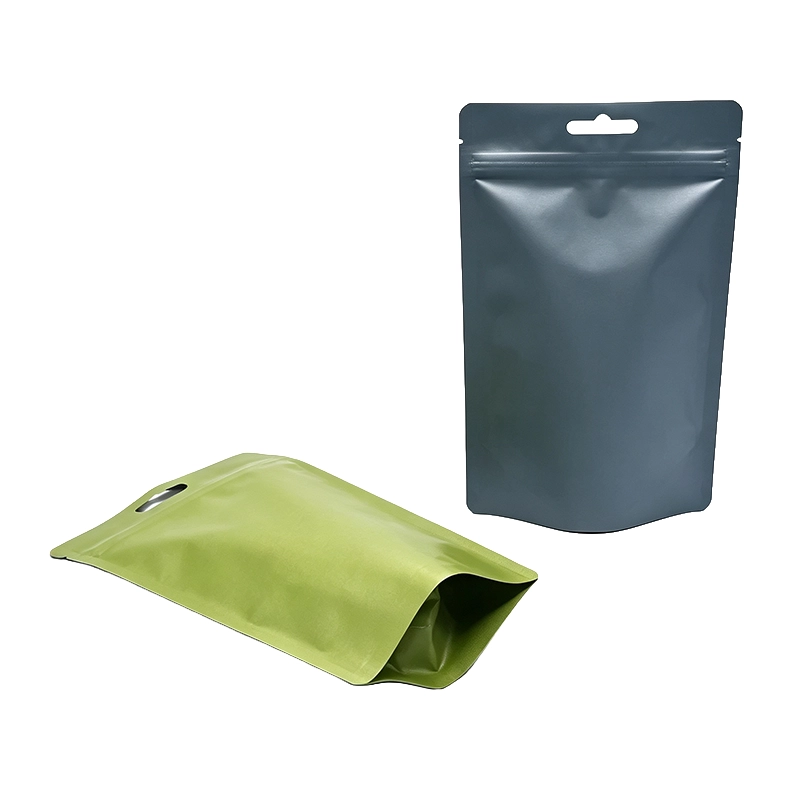
In the food and catering industries, selecting the right capacity also requires considering the portion size and shape of the food. For bulky items like bread, pastries, and vegetables, the bag needs to provide sufficient space to prevent the product from being crushed. For liquids or foods containing broth, the bag's sealing integrity and load-bearing capacity are critical. An appropriate capacity not only meets loading requirements but also minimizes the risk of rupture or leakage during transport.
Capacity is also influenced by the bag's structural design. Bags of identical external dimensions can vary in actual holding capacity due to differences in bottom width, side gusseting, and seal placement. Consequently, capacity cannot be judged solely by length and width; the bag's overall structure must be taken into account. For bags requiring handles-such as shopping bags and takeout bags-the size and handle design must be matched to the product weight to prevent damage caused by insufficient load-bearing strength.
Factors related to transport and storage should also be considered when selecting capacity. If the capacity is too large, products may shift inside the bag, compromising the packaging's presentation and potentially increasing the space required for transport. Conversely, a capacity that is too small can make product placement difficult. Therefore, the optimal approach is to allow for appropriate space to meet loading requirements while minimizing excess packaging volume. This ensures functional performance while reducing material consumption and transportation costs.
Send Inquiry